Why Water Softeners Matter in Tolleson
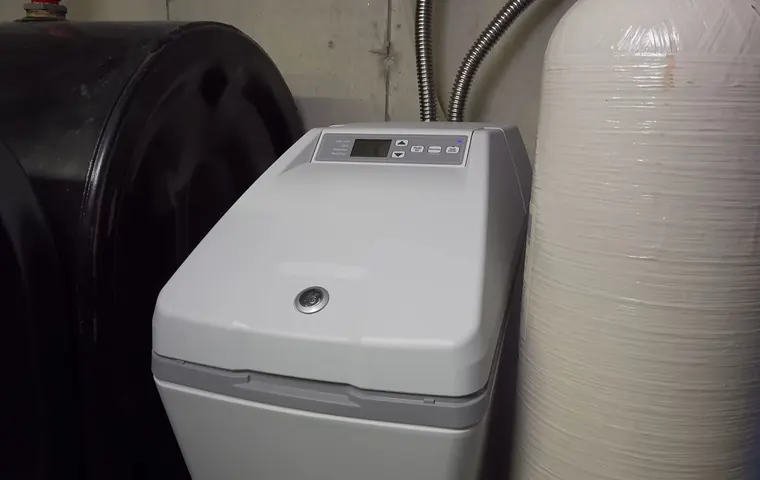
Tolleson's water supply runs 16 to 19 grains per gallon of mineral hardness, more than double the threshold at which the U.S. Geological Survey classifies water as hard. At that level, calcium and magnesium deposits affect every pipe, fixture, appliance, and water-using system in the home. A properly sized, correctly installed water softener treats the incoming supply at the point it enters the house, protecting everything downstream from the ongoing scale accumulation that shortens equipment life and restricts flow in Tolleson's hard-water environment.
What Tolleson's Hard Water Does to Plumbing and Appliances
The national average water hardness runs 7 to 10 grains per gallon. Tolleson's supply arrives at 16 to 19. The difference is significant in practice. Conventional storage water heaters that might last 11 or more years in a soft-water city typically last 6 to 8 years in Tolleson without treatment. Scale deposits on heating elements reduce thermal efficiency and accelerate burnout. Tankless water heaters scale up in the heat exchanger within 2 to 3 years without water softening in place. Supply lines accumulate scale on the interior, narrowing effective flow diameter continuously. Shower heads, faucet aerators, and fixture surfaces require more frequent cleaning. Soaps and detergents deliver reduced effectiveness in hard water, requiring higher quantities for the same result.
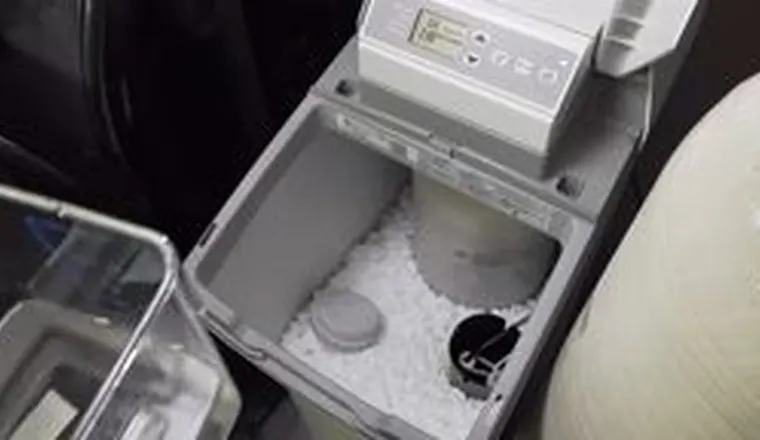
The bypass valve lets the softener be serviced without shutting down the whole home. It fits the Water Softener Installation in Tolleson, AZ section. The repair area is visible from a closer angle.
How a Water Softener Works
A water softener uses ion exchange to remove calcium and magnesium from the supply water as it enters the home. Hard water passes through a resin tank filled with sodium-charged resin beads, where calcium and magnesium ions exchange places with sodium ions on the resin. The softened water that exits the tank is free of the minerals that form scale. The resin is periodically regenerated using a brine (salt) solution that restores its ion exchange capacity, which is why water softeners require regular salt replenishment.
For Original Tolleson homes with galvanized supply lines already carrying years of accumulated scale, softening the incoming water stops ongoing accumulation. It does not dissolve existing deposits, but the reduction in new scale formation slows further restriction and gives existing deposits time to soften and partially flush out in service.
What a Water Softener Protects
- Water heater tank and heating elements: softened water extends service life to design expectancy rather than the shortened life typical in Tolleson's hard-water environment
- Tankless water heaters: essential protection for the heat exchanger, which is the primary failure point for tankless units in hard-water markets
- Supply lines: prevents ongoing scale buildup that narrows interior pipe diameter
- Fixtures, aerators, and showerheads: eliminates mineral deposit clogging that requires periodic cleaning or replacement
- Dishwasher and washing machine: hard water leaves mineral film on dishes and affects fabric quality; softened water delivers the cleaning performance these appliances are designed for
Sizing, Bypass Valve, and Installation
Water softeners are sized by hardness level and daily household water usage. An undersized unit does not treat the full volume the household uses; an oversized unit wastes salt in regeneration. We assess household size and daily usage before recommending a capacity.
Installation connects the softener to the main supply line upstream of the water heater and all household fixtures. We install a bypass valve that routes water around the softener for outdoor irrigation (which does not benefit from softened water) and allows softener maintenance without interrupting household water service.
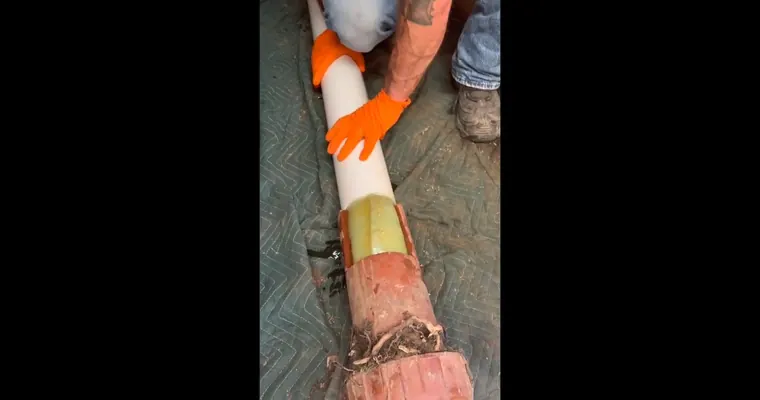
Visible pipe connections help show the repair area clearly before the next step begins. It fits the Water Softener Installation in Tolleson, AZ section.