Why Grease Trap Maintenance Is a Compliance Requirement
Commercial food-service operations in Tolleson are required to maintain grease interceptors that prevent fats, oils, and grease from entering the municipal sewer system. This is not only a plumbing maintenance matter: it is a pretreatment compliance requirement enforced by the City of Tolleson. Grease that bypasses a neglected interceptor enters the building's drain lines, causing backups during service hours, and enters the city sewer system, where accumulated grease from multiple commercial operations contributes to main line obstruction.
The Tolleson municipal sewer system connects to the regional Sub-Regional Operating Group (SROG) pipeline, which feeds the 91st Avenue Wastewater Treatment Plant, a major regional facility physically located in Tolleson. Protecting the regional wastewater infrastructure from grease loading is the purpose behind Tolleson's pretreatment program. Failure to maintain your grease trap on the required schedule can result in a compliance notice, a fine, or a mandated plumbing upgrade at your expense.
How a Grease Interceptor Works
A grease interceptor is installed between a commercial kitchen's drain lines and the sewer connection. As wastewater from cooking, dishwashing, and food prep flows through, the trap allows fats and grease to separate from the water and accumulate in the trap chamber. The inlet baffle guides incoming flow to the bottom of the trap so it rises through the settled grease layer for separation. The outlet baffle or crossover tubes prevent the floating grease layer from flowing out with the treated water. When the trap fills to approximately 25 percent of its capacity with grease and solids, it needs to be serviced before grease begins to break through to the drain lines.
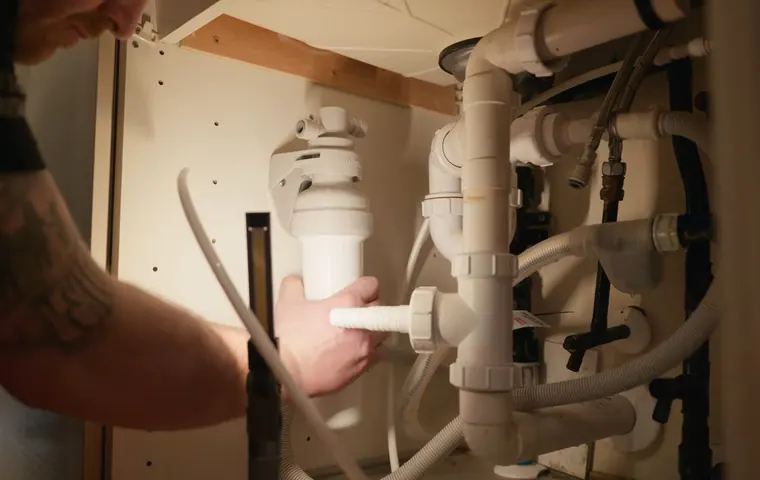
Under-sink RO systems treat drinking water separately from whole-home hardness control. It fits the Grease Trap Cleaning and Repair in Tolleson, AZ section. The repair area is visible from a closer angle.
Our Grease Trap Inspection and Maintenance Scope
- Grease and solids depth measurement to determine remaining trap capacity
- Inlet baffle inspection for damage, fouling, or improper positioning
- Outlet baffle and crossover tube condition check
- Interceptor body inspection for cracks, leaks, or structural deterioration
- Inlet and outlet pipe connection check for corrosion or seal failure
- Access cover and lid inspection for odor seals
- Coordination with a licensed pumping service for full cleanout when trap capacity warrants
- Service documentation provided for compliance records
Service Frequency and Scheduling
A full-service restaurant producing high cooking volumes on Van Buren Street typically needs grease trap service every four to eight weeks to stay below the 25-percent-capacity threshold. A smaller food-service operation or cafeteria with lighter production may meet requirements with service every two to three months. We measure grease and solids depth at each visit and use that measurement to adjust the recommended interval going forward. Scheduling is based on what the trap actually shows, not a fixed calendar interval that may not reflect your kitchen's production pattern.
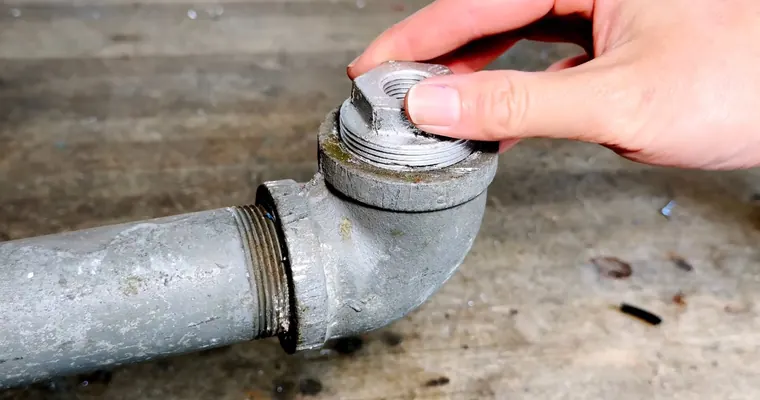
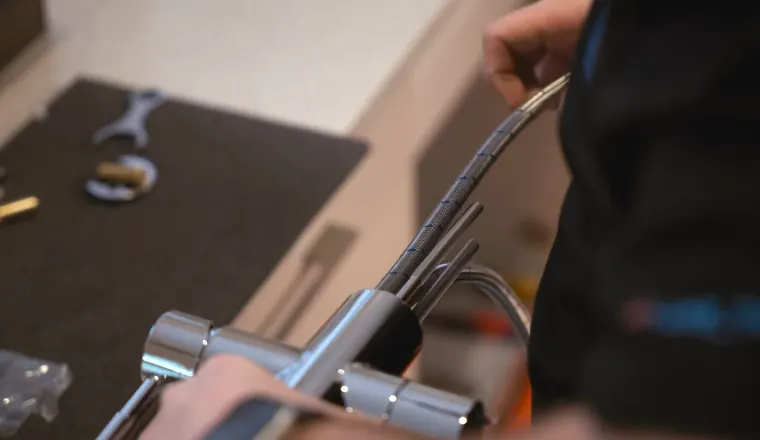
Cable and inspection tools help clear buildup and confirm the line is open. It fits the Grease Trap Cleaning and Repair in Tolleson, AZ section.
Repair and Component Replacement
Grease trap components deteriorate over time from the combination of grease exposure, wastewater chemistry, and temperature cycling. Common repair needs include replacement of corroded or broken inlet baffles, repair of outlet baffles or crossover tubes that have lost correct positioning, and resealing of access covers that have developed odor leaks to the kitchen area. We complete component repairs as part of a maintenance visit when conditions warrant, providing a full record of work performed. When a trap is undersized for the current production volume or has deteriorated beyond component repair, we assess replacement options and size the replacement to current actual demand.