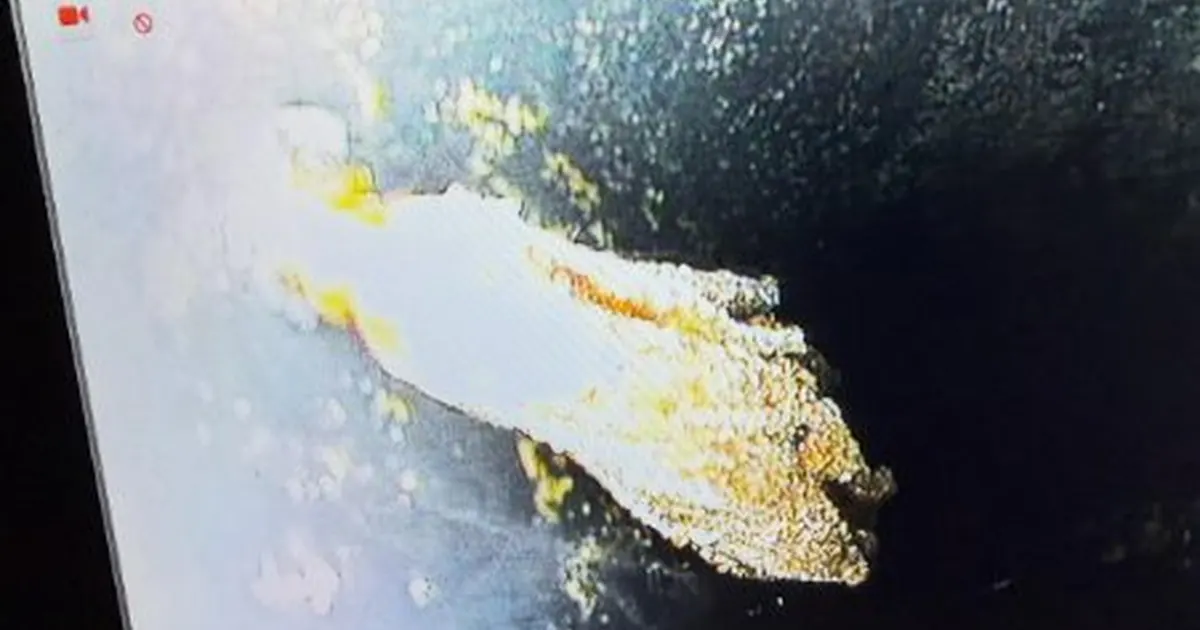
When a sewer lateral needs repair in Tolleson, the decision between open-cut excavation and a trenchless method involves a variable that does not exist in most other cities: caliche. In Tolleson's soil profile, a calcium carbonate hardpan layer at 2 to 4 feet below the surface changes the cost of open-cut excavation significantly, and in many cases makes trenchless pipe lining the more economical and less disruptive repair option for a pipe that would otherwise require extensive caliche breaking to access.
What Caliche Does to Excavation Cost
Caliche in its fully cemented form can be as hard as limestone. Excavating through it requires jackhammering or specialized rock-breaking equipment rather than standard digging machinery. In Tolleson's established residential areas, particularly under paved driveways, concrete walkways, and compacted yard areas where the caliche has been undisturbed for decades, the material can be extremely dense.
The cost consequence for open-cut sewer lateral repair is significant. A lateral repair that would take a few hours of excavation in soft clay soil may require most of a day of mechanical jackhammering in hard caliche before the pipe is accessible. Caliche at the 4 to 6 foot depth is exactly where open-cut costs escalate, which is when trenchless sewer repair in Tolleson is priced against excavation rather than assumed. Surface restoration after caliche excavation also requires more material and effort than restoring disturbed soft soil, because compacted caliche does not re-settle in the same way as native material. For longer lateral sections, or for repairs under paved driveways or concrete flatwork, the total cost difference between open-cut through caliche and a trenchless alternative can be very large.
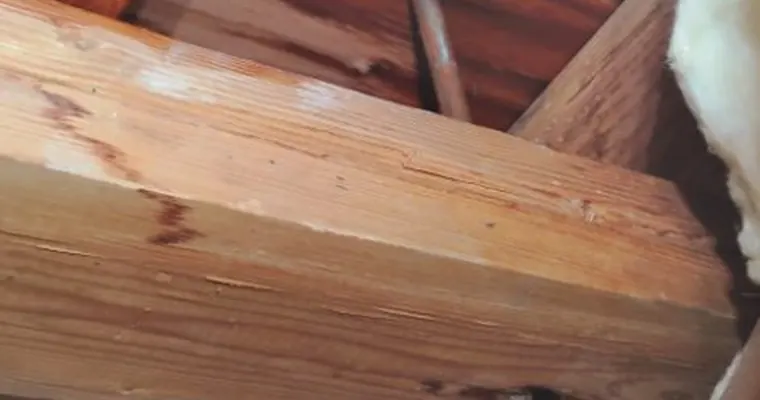
Opening a small area after locating the leak keeps slab repair focused and less disruptive. It fits the Trenchless Sewer Repair in Tolleson: Why Caliche Makes... section. The repair area is visible from a closer angle.
What Pipe Lining Does and When It Applies
Cured-in-place pipe lining (CIPP) inserts an epoxy-saturated liner into the existing pipe through a small access point, typically a cleanout or a small excavation pit. The liner is positioned along the full length of the damaged section, expanded to contact the pipe wall, and cured in place to form a new, smooth pipe surface bonded to the interior of the host pipe. Excavation is needed only at the access point and at the city main connection, meaning the full length of caliche between those two points is left undisturbed. For a 60-foot residential lateral under a paved driveway in Original Tolleson, this means potentially one day of access pit work rather than a full-length trench through hard caliche and driveway concrete.
CIPP is appropriate when the host pipe is structurally intact: the pipe walls remain in contact with the soil without major offsets at joints, without sections of collapse, and without bellied sections that hold standing water. Original Tolleson's cast-iron laterals, which are frequently intact in structure despite interior deterioration, are among the most consistent candidates for pipe lining in the portfolio of older homes we serve.
When Trenchless Is Not the Right Answer
Pipe lining has specific suitability requirements. A pipe with major joint offsets where the invert has stepped significantly cannot be effectively lined: the liner cannot bridge a step in the pipe floor without creating a low point that collects debris. A pipe with collapsed sections has lost the structural host the liner requires. A pipe with severe, wall-breaching root intrusion in multiple locations may need those sections replaced before the remaining length can be lined.
Camera inspection before any repair recommendation is the only way to determine whether a specific pipe is a lining candidate. In our experience with Original Tolleson's lateral inventory, roughly half of the pipes that present with slow drains and recurring blockages are good lining candidates after camera inspection confirms structural integrity. The other half have conditions that require open-cut repair or pipe bursting, even accounting for the caliche cost. The camera findings drive the method recommendation, not assumptions about what is typical.
Further Reading
Our Trenchless Sewer Repair page covers the full scope of CIPP pipe lining and pipe bursting, including the suitability requirements for each method and what to expect during a Tolleson installation. Our Sewer Camera Inspection page explains the inspection process and how camera findings are documented to support the repair method decision. Our Sewer Line Repair page covers the full range of repair options including open-cut approaches for pipes that are not trenchless candidates.