A standard home inspection covers visible and accessible plumbing: exposed pipes, fixtures, faucets, water pressure at outlets. What it typically does not cover is the sewer lateral, the buried pipe that carries all of the home's drain water from the foundation to the city sewer main. In a pre-1970 Original Tolleson home, the sewer lateral may be the largest plumbing repair need on the property, and it will not appear on any standard home inspection report.
What's Actually in Original Tolleson's Sewer Laterals
The sewer lateral material in a pre-1970 Original Tolleson home depends on the decade of construction.
Homes from the 1920s through the 1940s most commonly have clay tile pipe with hub-and-spigot joints. Clay tile is brittle and the joints are the most vulnerable point: tree roots infiltrate them readily, and caliche soil movement offsets joint connections over decades. Once a clay tile lateral has significant root intrusion or offset joints, it typically requires either a camera-guided trenchless repair or full replacement.
Homes from the 1940s through the 1960s transitioned primarily to cast iron, which is more durable but develops interior tuberculation over decades, narrowing effective flow area. Cast-iron joints can also pull apart under caliche soil movement. Some 1950s properties used Orangeburg pipe, a fiber-and-pitch material with a service life of 30 to 50 years that is universally past its end of life in any original Tolleson installation still in service today.
Why the Standard Home Inspection Misses the Sewer Lateral
Standard home inspections are visual: the inspector examines accessible, visible components. A buried sewer lateral is neither visible nor accessible without a camera. A general home inspector may run water at fixtures to verify drainage, but this only identifies a complete blockage. Root intrusion that restricts 40 percent of the pipe diameter, a bellied section that holds standing water and causes slow recurring drain backup, or a lateral that is 60 percent deteriorated but still technically draining will not produce any visible symptoms during a standard inspection. The camera is the only tool that reveals these conditions before they produce a failure.
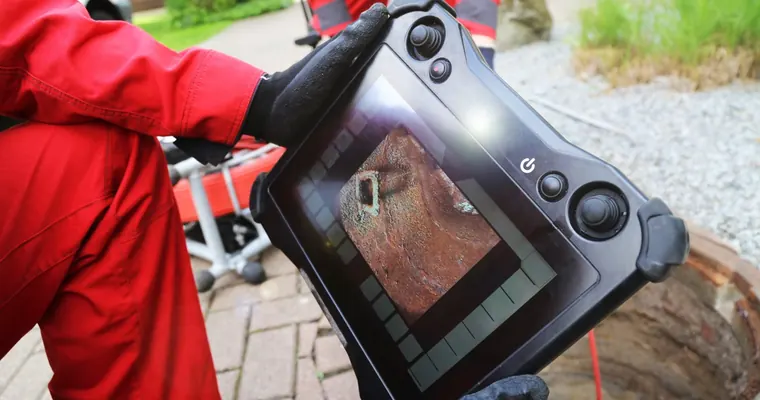
Visible pipe connections help show the repair area clearly before the next step begins. It fits the Why You Should Get a Sewer Camera Inspection Before Buying a... section. The repair area is visible from a closer angle.
What the Camera Reveals
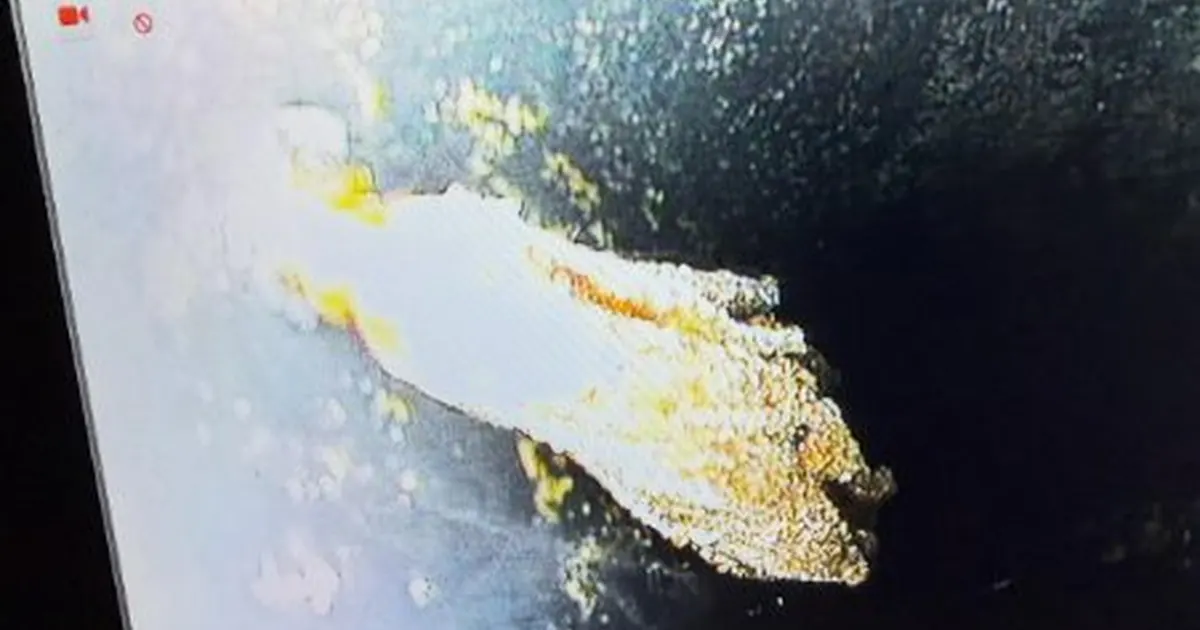
A sewer camera inspection of the lateral provides a real-time video record of the full pipe from the house connection to the city main. The camera documents:
- Root intrusion, from fine hair-like infiltration at joints to a solid mass of roots that occupies the pipe center
- Joint offset or bellying where the pipe has settled into a low spot that holds standing water
- Interior pipe condition: tuberculation in cast iron, softening or deformation in Orangeburg, cracking or joint separation in clay tile
- Any sections of collapse or near-collapse
- The approximate remaining capacity of the lateral for comparison against the home's drain load
How to Use Camera Findings in a Purchase
Camera inspection findings can be addressed in several ways in a purchase transaction, depending on severity. Minor root intrusion in otherwise structurally sound pipe has a modest repair cost that can be addressed before or at closing. This finding warrants a credit or a seller-paid cleaning and follow-up inspection rather than a full price adjustment.
Significant structural deterioration, major joint offset, or confirmed Orangeburg pipe represents a repair scope that belongs in the purchase negotiation. A camera report with video documentation gives the buyer specific, verifiable evidence for negotiating either a price reduction that covers the estimated repair cost, or a seller-paid repair before closing. Without the camera, this negotiation is impossible.
For buyers purchasing an Original Tolleson home on a constrained budget, knowing that a lateral repair or full replacement is needed within the next one to three years is critical for financial planning, even if the seller does not adjust the price. The camera converts an unknown risk into a known, estimated cost.
The Inspection Process
A sewer camera inspection of a residential lateral takes 30 to 60 minutes. We insert the camera at the nearest accessible cleanout, advance it through the full length of the lateral to the city main connection, and document findings in a written report accompanied by video. The video record is the evidence base for any subsequent discussion with the seller or general contractor about repair scope and cost.
Further Reading
Our Sewer Camera Inspection page covers the full scope of the inspection process, what conditions the camera identifies, and how the documentation is structured. Our Sewer Line Repair page covers repair options for deteriorated laterals, from targeted open-cut segment replacement to full lateral replacement. Our Trenchless Sewer Repair page covers pipe lining and pipe bursting, which are particularly relevant in Tolleson where caliche hardpan significantly increases the cost of conventional open-cut excavation.