In Tolleson's hard-water environment at 16 to 19 grains per gallon, a drain that is snaked clear one month and blocks again three to four weeks later is not misbehaving. It is following the predictable pattern of a mineral-scale-coated pipe in which the root cause of the blockage was left in place when the snake cleared the immediate obstruction. Understanding what scale does inside a drain pipe, what snaking addresses and what it leaves behind, and what actually produces durable drain performance in Tolleson's water chemistry is the practical guide for anyone dealing with recurring drain problems in this city.
What Hard Water Scale Does Inside a Drain Pipe
Hard water deposits calcium and magnesium scale on the interior of drain pipes just as it does on supply pipes, water heaters, and fixtures. The scale builds on every surface in contact with the water, including the interior walls of plastic, cast-iron, and galvanized drains. Over time, the scale layer narrows the effective interior diameter of the pipe. But scale also creates surface roughness: the mineral coating on a pipe wall is not smooth like the original pipe material. It has a texture that grease, soap residue, and food particles adhere to more readily than they do to the original pipe surface.
In Tolleson's older homes with cast-iron drain stacks, this effect is compounded by the interior corrosion of the cast iron itself, which creates a rough tuberculated surface that scale deposits adhere to aggressively. The result is a pipe interior that actively collects blockage-forming material, rather than allowing it to pass through with the water flow.
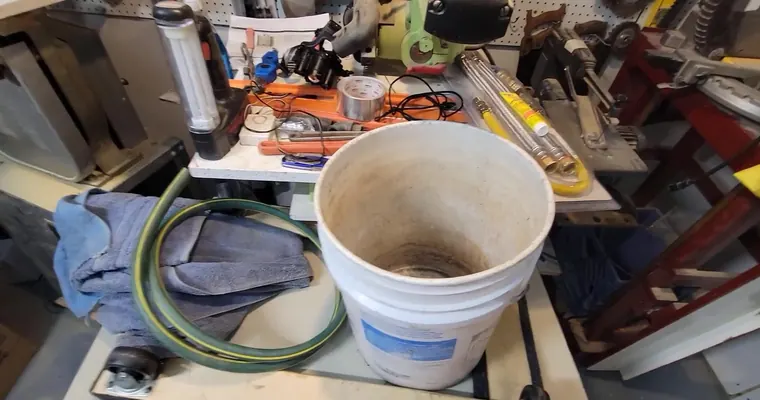
Cable and inspection tools help clear buildup and confirm the line is open. It fits the Hard Water and Drain Cleaning in Tolleson: Why Snaking... section.
What Snaking Does and What It Leaves Behind
When a cable snake clears a drain blockage, it punches a path through the immediate obstruction. In a grease blockage, the snake cuts through the grease mass. In a combined scale and debris blockage, the snake breaks the plug free and pushes it through to a larger line. What the snake does not do is remove the scale coating from the pipe walls. That coating remains exactly as it was before the snake passed through.
In Tolleson's hard-water environment, the scale coating that contributed to the blockage continues to accumulate after the snake clears the obstruction. The next piece of grease or soap scum that enters the pipe adheres to the same rough surface, plus slightly more accumulated scale than was there before the last blockage. The new blockage forms faster. This is the pattern that produces the "snaked clear in January, blocked again in March" experience that is so common in older Tolleson homes.
What Hydro Jetting Does Differently
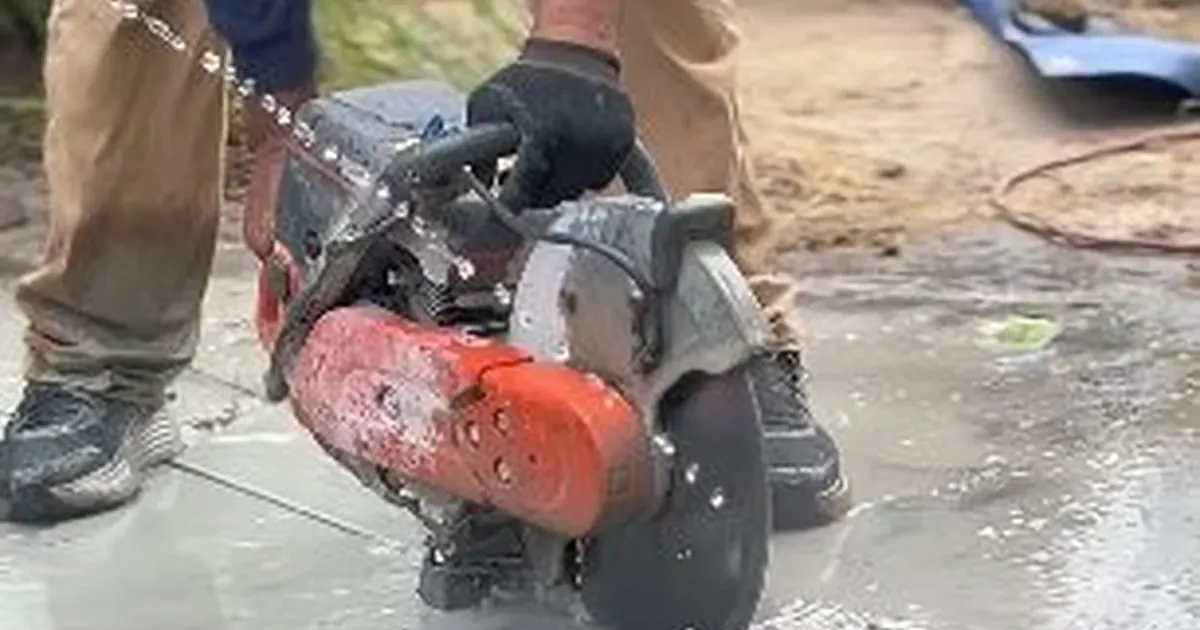
Hydro jetting uses high-pressure water at up to 3,500 PSI through a specialized nozzle to scour the interior pipe surface. The jetting does not just clear the immediate blockage. It strips the scale coating from the pipe walls, restoring a cleaner interior surface that does not provide the same substrate for the next blockage to form on. After hydro jetting, the rebuilt scale layer must start from near zero rather than continuing to accumulate on an existing coating. In Tolleson's hard-water conditions, this produces drain performance that lasts months rather than weeks, because the surface condition that snaking leaves behind has been addressed rather than bypassed.
When Camera Inspection Changes the Recommendation
Before hydro jetting any drain line, we run a camera inspection to assess the pipe condition and confirm that the pipe structure is sound enough to withstand jetting pressure. This matters in Tolleson's older homes with cast-iron drain stacks, where decades of interior corrosion may have thinned the pipe wall to the point where high-pressure jetting could worsen the condition. The camera also identifies whether the recurring blockage is driven by scale buildup alone, or whether there is a structural condition such as a bellied pipe section, root intrusion at a drain joint, or significant joint offset that creates a physical low point where debris accumulates regardless of how thoroughly the pipe is cleaned.
When the camera reveals widespread structural deterioration throughout the drain system in an older Original Tolleson home, the practical conclusion may be that recurring drain cleaning is treating a symptom while the underlying condition continues to worsen. For cast-iron drain stacks that have developed pervasive interior deterioration, a full drain repipe addresses the condition permanently where cleaning programs only delay it.
Further Reading
Our Drain Cleaning page covers the full scope of cable and hydro jetting drain cleaning for Tolleson's residential drain systems, including when each method is appropriate. Our Hydro Jetting page covers commercial and residential hydro jetting in detail, including the pre-jetting and post-jetting camera inspection process. Our Sewer Camera Inspection page covers what the camera finds in Tolleson's aging drain and sewer systems and how those findings determine the most appropriate maintenance or repair recommendation.